SpaceX Set to Launch X-37B Military Spaceplane on Falcon 9 from Kennedy Space Center
The U.S. Space Force, in collaboration with SpaceX, is gearing up for a significant milestone with the launch of the Boeing-built X-37B spaceplane on its eighth mission, designated USSF-36 and Orbital Test Vehicle 8 (OTV-8). Scheduled to lift off at 11:50 p.m. EDT (0350 UTC) on Thursday, August 21, 2025, from Launch Complex 39A at NASA’s Kennedy Space Center in Florida, this mission marks the third time a Falcon rocket will carry the secretive spaceplane into orbit. The event will be streamed live by Spaceflight Now, beginning an hour before liftoff, offering enthusiasts a front-row seat to this cutting-edge operation. As of 03:12 PM IST on Friday, August 22, 2025, anticipation is building with the launch just hours behind us, making this a timely update on the mission’s progress.
Mission Overview and Launch Details

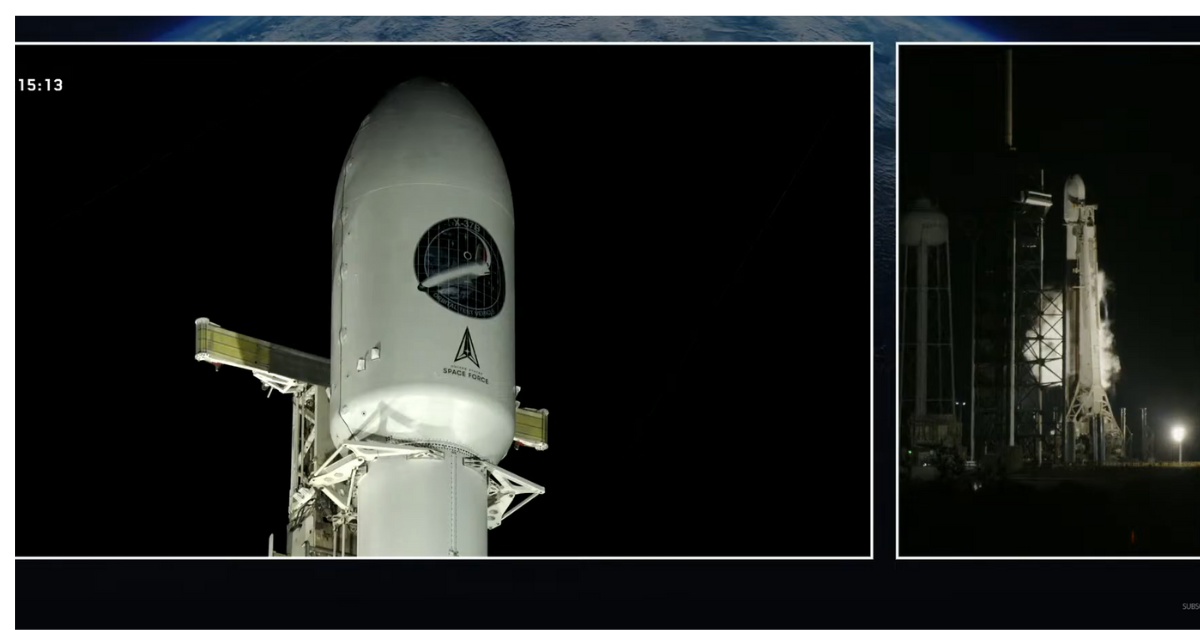
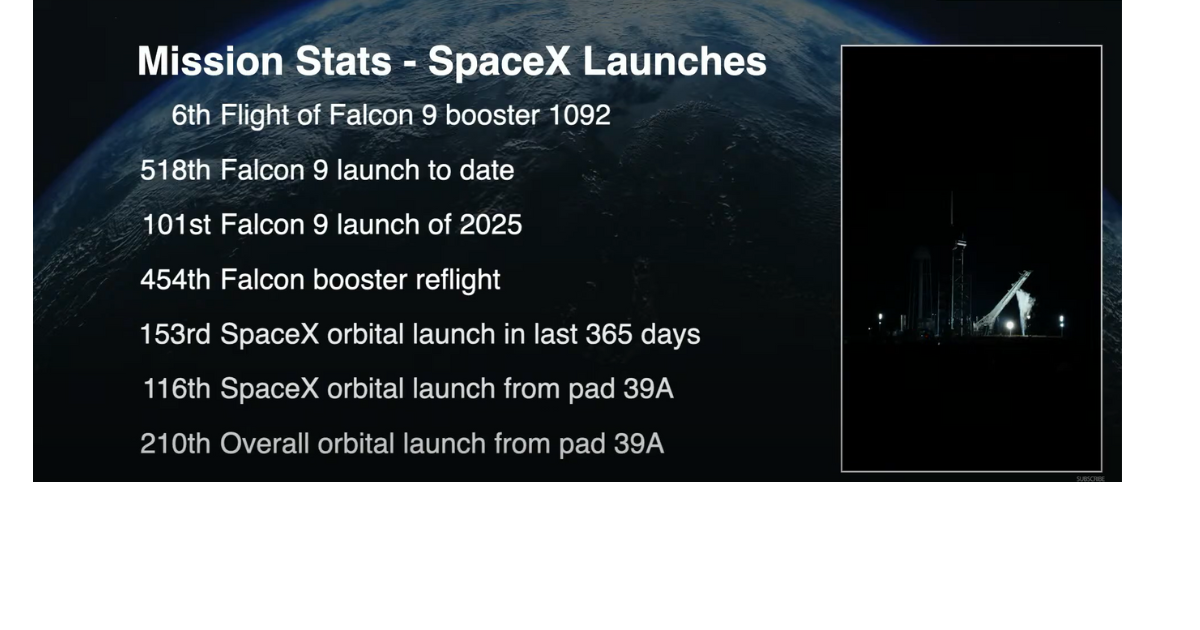
The X-37B, a reusable, winged spacecraft, will be propelled by a Falcon 9 rocket featuring the first-stage booster B1092, embarking on its sixth mission. This booster has previously supported missions such as CRS-32, GPS III-7 SV 08, and NROL-69, showcasing SpaceX’s commitment to reusability. Approximately 8.5 minutes after launch, B1092 is slated to land at Landing Zone 2 (LZ-2) at Cape Canaveral Space Force Station, potentially marking the 13th touchdown at this site and the 490th booster landing overall. The spaceplane itself was encapsulated in the Falcon 9 payload fairing on August 14 and integrated with the rocket, with the full stack rolling out to the pad on Wednesday morning. Operated by the Fifth Space Operations Squadron within USSF Delta 9, alongside the U.S. Air Force Rapid Capabilities Office, the mission’s classified nature adds an air of intrigue.
Weather Challenges and Forecast
Weather conditions are a critical factor for this launch, with the 45th Weather Squadron forecasting a 65 percent chance of favorable conditions at the opening of the launch window, improving to 80 percent as it progresses. The primary concern is the impact of Hurricane Erin, a large storm moving north and northeast off the East Coast, leaving a trailing trough and deeper moisture. Launch weather officers noted that prevailing westerly winds on Thursday could bring afternoon and evening storms to the eastern side of Florida, including the Spaceport, necessitating close monitoring. Given the launch has likely occurred by now, post-launch updates will reveal how these conditions affected the mission’s success.

Technological Innovations and Mission Goals
The X-37B’s operational history is impressive, with its previous seven flights accumulating 4,208 days in orbit, the longest being OTV-6’s nearly 909-day mission. Michelle Parker, vice president of Boeing Space Mission Systems, highlighted advancements since the first flight in 2010, including improved batteries, solar cells for enhanced power generation, and upgraded thermal protection tiles for better temperature resilience and reusability. Mission 7 introduced breakthroughs in fault protection, autonomy, and collision avoidance, critical as space becomes more congested. This time, the Space Force is focusing on two key technological demonstrations: a laser communications experiment to enhance satellite network resilience and reliability, and the world’s highest-performing quantum inertial sensor for GPS-independent navigation. These innovations, as noted by Gen. Chance Saltzman and Col. Ramsey Horn, could revolutionize space operations in GPS-denied environments or cislunar space.
Historical Context
and Future Implications
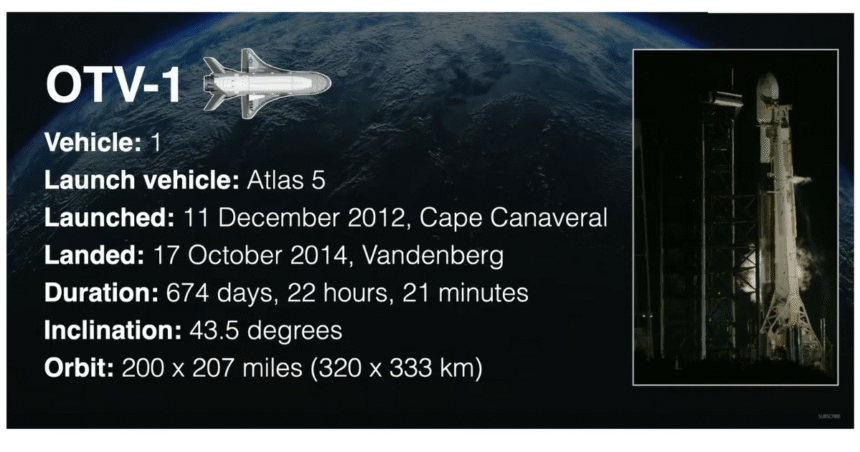
SpaceX’s involvement with the X-37B began with OTV-5 on a Falcon 9 and continued with OTV-7 on a Falcon Heavy, the latter required for a highly elliptical, high Earth orbit. The shift to Falcon 9 for OTV-8 suggests a different orbital regime, though details remain scarce. The X-37B’s mission duration is undisclosed, with past flights ranging from 224 days (OTV-1) to 908 days (OTV-6). The mission’s success will depend on overcoming weather challenges and executing a precise booster landing, reinforcing SpaceX’s reputation for reliable and innovative spaceflight. As the launch has likely occurred by 03:12 PM IST on August 22, 2025, space enthusiasts and military observers are eager to see how this mission will advance U.S. space capabilities, blending secrecy with technological prowess in 2025’s space exploration calendar.