Pakistan Supreme Court Grants Bail to Imran Khan in May 9 Violence Cases: Will He Walk Free?
In a significant development for Pakistan’s turbulent political scene, the Supreme Court has granted bail to former Prime Minister Imran Khan in eight cases tied to the May 9, 2023, violence. This ruling, delivered on August 21, 2025, offers a glimmer of hope for Khan’s supporters, but his release from prison remains elusive due to convictions in other high-profile cases. As the founder of the Pakistan Tehreek-e-Insaf (PTI) party, Khan has been behind bars since August 2023, facing what he calls politically motivated charges. With ongoing trials and a complex web of legal battles, the 72-year-old leader’s fate continues to captivate global attention. Here’s a closer look at this latest twist and Khan’s remarkable life story.
Supreme Court’s Bail Decision Amid Political Turmoil

Pakistan’s Supreme Court, in a session led by Chief Justice Yahya Afridi, approved Imran Khan’s bail pleas in eight cases related to the chaotic events of May 9, 2023. These cases stem from nationwide riots that erupted after Khan’s dramatic arrest by paramilitary forces at the Islamabad High Court. Protesters, largely PTI supporters, stormed military installations, government buildings, and even set fire to symbols of state authority, leading to at least ten deaths and thousands of arrests. The violence was triggered by Khan’s detention in the Al-Qadir Trust corruption case, which his allies denounced as a ploy to sideline him politically.
The court’s decision has been hailed by PTI as a “victory for justice,” with party leaders like Ali Muhammad Khan expressing optimism outside the courtroom. However, the bail doesn’t translate to immediate freedom. Khan must still navigate bail in one remaining May 9-related case (the Al-Qadir matter) and address convictions elsewhere. This ruling comes just weeks after massive protests on August 5, 2025, marking two years of Khan’s imprisonment, where thousands rallied in cities like Lahore and Peshawar, demanding his release. Police cracked down hard, arresting over 200 PTI activists, including elderly supporters, in what critics called an overreach by the Shehbaz Sharif government. The PTI has vowed to approach the United Nations over allegations of “torture” and inhumane treatment in Adiala Jail, where Khan is held, citing limited access to lawyers and family during Pakistan’s scorching summers.
The May 9 Riots: What Sparked the Chaos?
The May 9, 2023, riots were a flashpoint in Pakistan’s ongoing political crisis. Khan’s arrest on corruption charges ignited fury among his base, who viewed it as part of a broader “London Plan” orchestrated by the military establishment and rivals like the Pakistan Muslim League-Nawaz (PML-N). Demonstrators targeted army headquarters in Rawalpindi and other sites, leading to widespread destruction. Authorities responded with a crackdown, charging thousands under anti-terrorism laws. Khan, while denying incitement, was implicated in multiple cases for allegedly fueling the unrest through his fiery rhetoric.
In the years since, military courts have convicted over 100 PTI members, including opposition leader Omar Ayub Khan, to 10-year terms for their roles in the protests—a move decried as “intimidation” by rights groups. The Supreme Court’s bail grant in eight of these cases against Khan signals a potential shift, but with several May 9 trials still pending, his legal team faces an uphill battle. Analysts suggest this could ease tensions, especially after the PTI’s strong showing in the 2024 elections, where independents backed by Khan won the most seats but were blocked from forming a government amid rigging allegations.
Khan’s Current Jail Status and Mounting Legal Challenges
Despite the bail relief, Imran Khan remains incarcerated in Adiala Jail, serving sentences from other convictions that total over 14 years. In January 2025, he was handed a 14-year term in the Al-Qadir Trust case, accused of misusing £190 million repatriated from the UK to benefit a real estate tycoon in exchange for land bribes. His wife, Bushra Bibi, received seven years in the same case. Earlier convictions include a 10-year sentence for leaking state secrets (overturned in mid-2024) and a three-year term in the Toshakhana case for selling state gifts, which was suspended after bail in November 2024.
As of August 21, 2025, Khan faces around 186 cases nationwide, ranging from graft to inciting violence. He alleges military interference, calling his imprisonment a bid to crush dissent, while the government insists the charges are legitimate. Recent developments, like the disqualification of his Oxford chancellor candidacy in October 2024 due to his convictions, highlight his isolation. PTI aides claim coercive tactics against witnesses, and Khan has reported severe jail conditions, including restricted family calls. Political observers note that reconciliation with the military—Pakistan’s real power broker—might be his only path to freedom, but Khan’s defiance shows no signs of waning.
From Cricket Legend to Political Firebrand: Imran Khan’s Journey
Imran Khan’s life is a tale of transformation, from global sports icon to Pakistan’s most polarizing leader. Born on October 5, 1952, in Lahore to a Pashtun family, Khan grew up in privilege. His father, Ikramullah Khan Niazi, was a civil engineer, and his mother, Shaukat Khanum, came from a cricketing lineage. The only son among four sisters, young Imran attended elite schools like Aitchison College before heading to the UK for higher education. He graduated from Keble College, Oxford, in 1975 with a degree in Philosophy, Politics, and Economics, honing his sharp intellect alongside his athletic prowess.
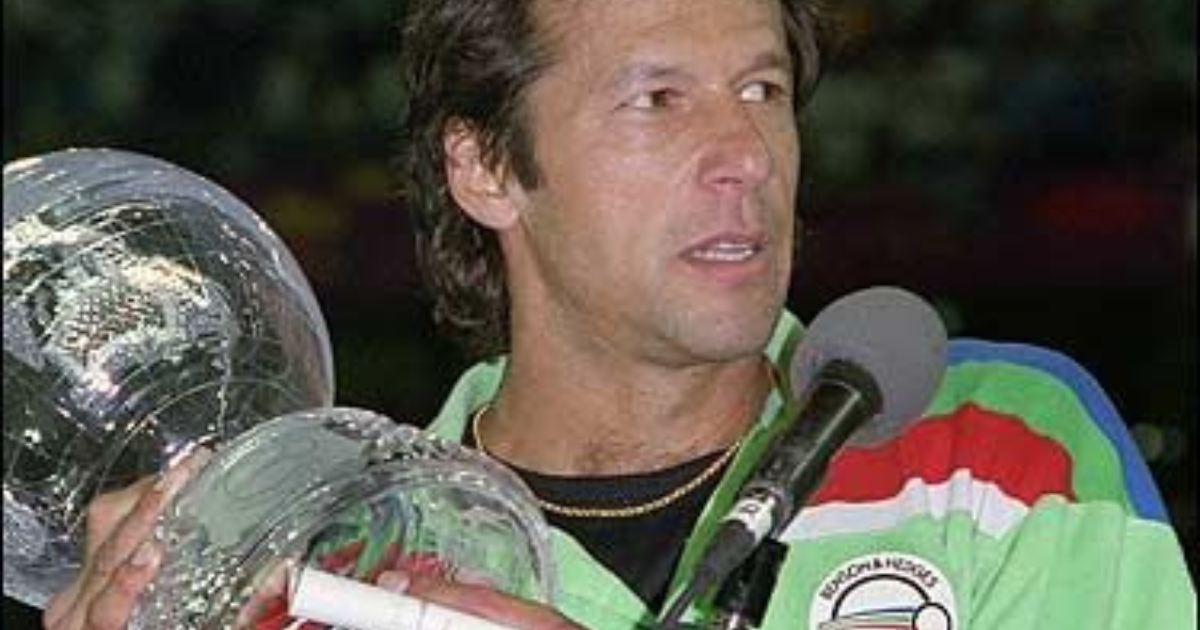
Khan’s cricket career skyrocketed in the 1970s. Debuting for Pakistan in 1971, he became a world-class all-rounder, captaining the team to its first World Cup victory in 1992. Known for his reverse swing bowling and charismatic leadership, he took 362 Test wickets and scored over 3,800 runs, earning spots in the ICC Hall of Fame. Post-retirement in 1992, Khan turned philanthropist, founding the Shaukat Khanum Memorial Cancer Hospital in 1994 in honor of his mother and Namal University.
Entering politics in 1996 with PTI, Khan championed anti-corruption and Islamic welfare state ideals. After years in the wilderness, he surged to power in 2018, becoming Prime Minister amid allegations of military backing. His tenure focused on economic reforms, foreign policy shifts (like closer China ties), and social programs, but was marred by inflation, COVID-19 mishandling, and clashes with the establishment. Ousted in a 2022 no-confidence vote, Khan’s fall led to his current woes. Married three times—first to Jemima Goldsmith (1995-2004), then Reham Khan (2015), and Bushra Bibi (2018)—he has two sons from his first marriage. At 72, Khan’s resilience inspires millions, but his future hinges on Pakistan’s fragile democracy.