Russia’s Massive Drone and Missile Strike on Ukraine: A Brazen Attack Amid Peace Talks
On August 21, 2025, Russia unleashed a barrage of 614 air attack munitions on Ukraine, marking one of the largest assaults since the war began over three years ago. This “massive combined air strike,” as Ukraine’s Foreign Minister Andrii Sybiha called it, targeted civilian and energy infrastructure across the country, leaving a trail of destruction and raising questions about Russia’s commitment to peace. With 574 drones and 40 missiles launched, the attack hit 11 locations, killed at least one person, and injured 19 others. Here’s what went down, why it matters, and what it says about the ongoing conflict.
A Devastating Overnight Assault
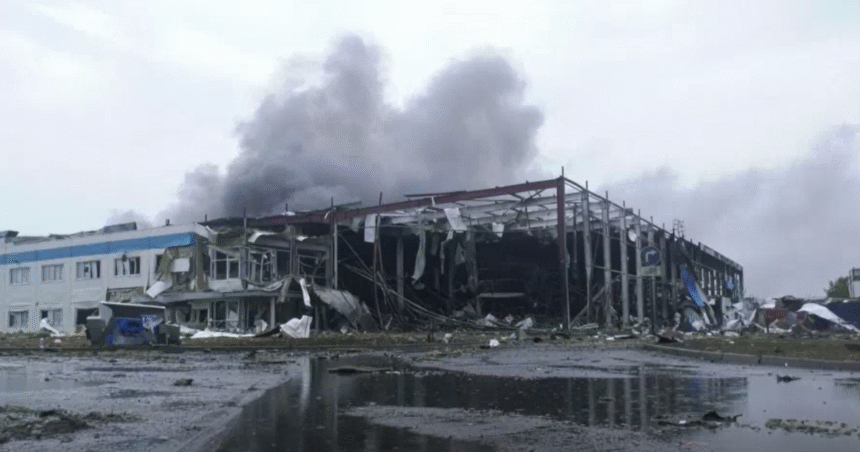
The attack started in the dead of night, with Russia firing 574 drones and 40 missiles, including hypersonic ones, at targets across Ukraine. Ukraine’s air force worked overtime, intercepting or suppressing 546 drones and 31 missiles, but the sheer volume overwhelmed defenses in some areas. The western city of Mukachevo, near Hungary and Slovakia, took a brutal hit when a missile struck a factory owned by an American electronics company, Flextronics. This wasn’t a military target—it was a civilian plant making everyday stuff like coffee machines. Ukrainian President Volodymyr Zelenskyy called it a deliberate attack on “American investment,” pointing out the absurdity of targeting a non-military site.
In Lviv, about 40 miles from Poland’s border, the strikes killed one person and injured three others, according to Mayor Andriy Sadovyi. The assault wasn’t limited to Ukraine’s west—impacts were reported in 11 regions, with civilian infrastructure like homes, schools, and energy facilities bearing the brunt. Ukraine’s air force noted this was the fourth time Russia launched over 500 drones in a single night, a stark escalation from the smaller-scale attacks seen earlier in August. The data, analyzed by ABC News, shows this was the biggest strike since July 12, signaling Russia’s intent to keep the pressure on.
Civilian Targets and Global Implications
What makes this attack stand out is its focus on civilian infrastructure. Foreign Minister Sybiha emphasized that the Mukachevo factory had “nothing to do with defense or the military,” yet it was reduced to rubble, with 19 people injured. This wasn’t a one-off—Russia has repeatedly hit non-military targets, including Boeing offices in Kyiv earlier this year. Zelenskyy didn’t mince words, saying, “It seems like there is no effort from the world to stop this war.” He’s got a point: despite ongoing peace talks, including recent meetings between Zelenskyy and U.S. President Donald Trump, Russia’s actions suggest they’re not serious about negotiations.
The attack also sent ripples beyond Ukraine. NATO jets, including Swedish JAS 39 Gripens, scrambled in Poland as Russian drones and missiles buzzed near the border. Poland’s Operational Command reported heightened alert levels, only standing down after the immediate threat eased. This wasn’t just a Ukraine problem—it pulled in NATO allies, showing how Russia’s aggression risks escalating tensions in the region. Meanwhile, Russia’s own infrastructure wasn’t spared. In Voronezh, a falling drone damaged an energy facility, and in Rostov, a drone attack sparked a fire at an industrial site. Russia’s Defense Ministry claimed it downed 71 Ukrainian drones in retaliation, highlighting the tit-for-tat nature of the conflict.
A Blow to Peace Efforts
The timing of this attack is hard to ignore. It came just days after Zelenskyy met with Trump and European leaders in Washington to discuss a roadmap for ending the war. Ukrainian officials, including Sybiha, see the strike as Russia’s middle finger to those efforts. “Contrary to all efforts to end the war, Russia undertook a massive combined air strike,” Sybiha posted on X, calling for stronger sanctions and tariffs to pressure Moscow. Zelenskyy echoed this, urging the world to force Russia to the negotiating table with “real pressure.”
Trump, who’s been vocal about wanting a ceasefire, has expressed frustration with Russian President Vladimir Putin’s refusal to budge. Despite Trump’s push for more weapons to Ukraine, including Patriot air defense systems, Russia’s escalation suggests Putin is doubling down on military force rather than diplomacy. This attack, coming right after high-level talks, feels like a deliberate signal that Russia isn’t ready to back off—not by a long shot.
What’s Next for Ukraine and the World?
This latest assault underscores the brutal reality of the Russia-Ukraine war: civilians are paying the price, and peace remains elusive. Ukraine’s air defenses are holding up, but the volume of Russia’s attacks—especially with cheap, mass-produced Shahed drones—is stretching them thin. The strike on Mukachevo’s factory could strain U.S.-Ukraine ties, especially since it targeted American investment. Zelenskyy’s call for a global response isn’t just rhetoric; he’s pushing for sanctions and tariffs to hit Russia where it hurts.
On the ground, Ukraine is fighting back, launching drone strikes on Russian infrastructure like oil refineries and military sites. But with Russia ramping up its drone production to potentially 1,000 per volley by fall, according to Ukrainian estimates, the war shows no signs of slowing down. The international community, particularly NATO and the U.S., faces a tough choice: double down on military aid to Ukraine or risk letting Russia’s aggression go unchecked. For now, the people of Ukraine are left picking up the pieces, while the world watches to see if diplomacy can outpace destruction.